Carpet cleaning near Wandsworth Common insider tips
If you live near Wandsworth Common, you already know carpets in London homes take a quiet beating. Boots bring in grit, pet paws leave little surprises, and everyday traffic slowly dulls fibres until the room just feels tired. Carpet cleaning near Wandsworth Common insider tips can save you money, improve results, and help you avoid the usual mistakes that make a clean look last only a week. In this guide, we'll walk through how it works, what actually matters, and the small decisions that make a proper difference.
Truth be told, most carpet cleaning problems are not dramatic. They are ordinary things: a spill left too long, the wrong cleaning method, over-wetting, or a rushed job on a damp day. The good news? Once you understand the basics, you can make a much better choice, whether you're booking a one-off refresh or planning a deeper clean before guests, tenants, or a new season of muddy shoes.
Table of Contents
- Why Carpet cleaning near Wandsworth Common insider tips Matters
- How Carpet cleaning near Wandsworth Common insider tips Works
- Key Benefits and Practical Advantages
- Who This Is For and When It Makes Sense
- Step-by-Step Guidance
- Expert Tips for Better Results
- Common Mistakes to Avoid
- Tools, Resources and Recommendations
- Law, Compliance, Standards, or Best Practice
- Options, Methods, or Comparison Table
- Case Study or Real-World Example
- Practical Checklist
- Conclusion
- Frequently Asked Questions
Why Carpet cleaning near Wandsworth Common insider tips Matters
Carpets do more than soften a room. They trap dust, absorb odours, and influence how clean the whole home feels. Near Wandsworth Common, that matters even more because many properties sit on busy routes, see regular footfall, or have a mix of family life, pets, visitors, and seasonal weather that brings grit indoors. If you wait too long, dirt settles deep in the pile and starts acting like sandpaper every time someone walks across it. Not ideal.
A good clean is not just about looks. It can help reduce embedded debris, remove stubborn marks before they become permanent, and extend the usable life of the carpet. For rented homes, it can also make handover simpler. For owner-occupiers, it often makes the entire house feel calmer. You notice it in the morning light, when the carpet no longer looks flat and grey by the skirting board. Small thing, big effect.
What many people miss is that "cleaning" is not one fixed service. A soft wool carpet in a period flat needs a different touch from a hardwearing synthetic carpet in a family hallway. Getting the method right is the real insider tip, not just booking the nearest available appointment.
How Carpet cleaning near Wandsworth Common insider tips Works
Most professional carpet cleaning follows a similar sequence, though the exact method varies depending on fibre type, stains, and drying needs. The process usually starts with inspection. A decent cleaner will look at the carpet fibres, identify traffic lanes, check for colour issues, and note stains or odours before they begin. That inspection is not a formality. It shapes the entire clean.
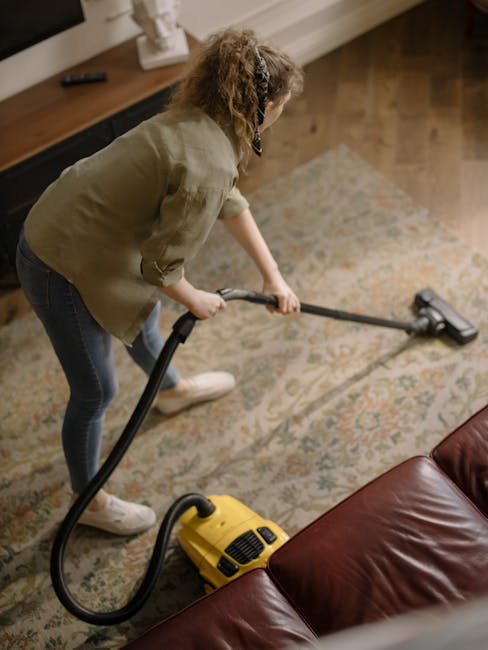
After inspection, loose dirt is removed with thorough vacuuming. This step sounds basic, but it matters a lot. If dry soil remains in the carpet, wet cleaning can turn it into muddy residue. Then comes pre-treatment. This may involve a solution for general soil, a targeted stain treatment, or a specialist approach for pet odours or greasy patches near a sofa line. In some homes, a cleaner may also agitate the fibres lightly to loosen dirt before extraction.
The main cleaning stage depends on the method used. Steam carpet cleaning, also called hot water extraction in many cases, injects a cleaning solution and extracts it along with dirt. Dry or low-moisture methods use less water and can be useful where quick drying matters. To be fair, there is no magic best method for every carpet. There is only the best method for your carpet.
Finishing usually includes grooming the pile so it dries neatly and looks more even. Then comes drying time, which people often underestimate. A slightly damp carpet is normal after a proper clean, but soaking wet is not. If the room smells musty for too long, something probably went off track.
Key Benefits and Practical Advantages
The obvious benefit is a cleaner-looking carpet. The less obvious benefit is the one you feel when the room just seems fresher. There is a difference between a carpet that is visually tidy and one that genuinely feels renewed underfoot.
- Improved appearance: Traffic lanes, dull patches, and old-looking pile often lift far better than people expect.
- Odour reduction: Everyday smells from shoes, pets, cooking, and spills can settle in fibres. Deep cleaning helps clear that background odour.
- Longer carpet life: Removing abrasive grit and residue reduces wear over time.
- Better indoor comfort: A cleaned carpet can make the room feel lighter and less dusty, especially in busy family homes.
- Smarter maintenance: Once carpets are properly cleaned, regular vacuuming tends to work better because it is dealing with less embedded dirt.
There is also a practical money angle. Regular care can delay replacement, and carpet replacement is far more expensive than routine maintenance. Nobody wants to be shopping for new flooring because one neglected hallway turned into a permanent stain corridor. Happens more often than people like to admit.
Who This Is For and When It Makes Sense
This is useful for quite a wide group of people near Wandsworth Common. Homeowners, tenants, landlords, letting agents, and busy families all have slightly different reasons for booking carpet cleaning, but the core logic is the same: protect the carpet before dirt becomes damage.
It makes sense if you have just moved in and want the place to feel properly fresh. It also makes sense before a property inspection, after a party, at the end of a tenancy, or when a child has decided yoghurt belongs on the lounge floor. We have all seen that one corner, haven't we?
In commercial settings, regular carpet cleaning is often worth it for reception areas, meeting rooms, or small offices where first impressions matter. For domestic properties, a one-off clean may be enough if the carpet is in decent condition. But if you have pets, children, or a high-traffic hallway, a planned routine usually works better than emergency cleaning after every mishap.
If your carpet is antique, delicate, wool-rich, or already damaged, specialist advice becomes more important. Not every stain should be attacked with the same enthusiasm. A bit of restraint saves a lot of regret.
Step-by-Step Guidance
Here is a straightforward way to approach carpet cleaning near Wandsworth Common without overcomplicating it.
- Identify the carpet type. Wool, synthetic, and blended fibres all respond differently to moisture, heat, and chemistry.
- Check the problem areas. Note stains, odours, traffic lanes, and spots that might need extra treatment.
- Vacuum thoroughly. This is worth doing before any wet cleaning starts. Slow passes are better than a quick zip around the edges.
- Choose the method. Steam carpet cleaning suits many household carpets, while low-moisture methods can be useful where fast drying is a priority.
- Spot-treat carefully. Use treatments that suit the stain type rather than scrubbing blindly. Blotting is usually safer than rubbing.
- Test first if needed. On a hidden patch, check for colour change or fibre reaction before treating the full area.
- Clean in sections. A controlled approach reduces missed patches and over-wetting.
- Dry properly. Ventilation matters. Open windows where practical, keep airflow moving, and avoid replacing furniture too soon.
- Inspect once dry. This is when any missed marks, wicking, or flattening shows up.
One practical tip: if a stain seems to disappear while wet but comes back after drying, that is often because residue has migrated back to the surface. Slightly annoying, yes. It is also why proper extraction and drying matter so much.
Expert Tips for Better Results
First, always think about the stain before you think about the machine. The stain type matters more than people realise. Mud, tea, pet urine, grease, and wine behave very differently. A one-size-fits-all approach can smear the problem around and make later treatment harder.
Second, pay attention to drying. If the cleaner finishes and leaves the room heavy with moisture, ask how long the carpet should take to dry and what you can do to speed that up. A well-ventilated room on a cool morning can dry surprisingly well by lunchtime; a closed, stuffy room may take much longer. Small difference, big outcome.
Third, be wary of over-wetting. This is one of the most common reasons for bad results. Too much water can lead to slow drying, backing dampness, and a faint musty smell. In some cases, it can even encourage staining to resurface from below the pile. Not fun. Not subtle either.
Fourth, ask about fibre protection and aftercare. Some carpets benefit from stain protection after cleaning, especially in busy homes. That is not a miracle shield, but it can buy you time when the next spill happens. And it will happen. Probably when you are halfway through making tea.
Finally, treat the edges and stairs as seriously as the main room. Dirt loves borders, skirting lines, and the first few steps on a staircase. A rushed clean often looks fine in the centre and oddly neglected around the edges. You notice it every time.
Expert summary: the best carpet clean is not the wettest one or the cheapest one. It is the one matched to the fibre, the soil level, and the drying conditions in your home.
Common Mistakes to Avoid
People make the same errors again and again, usually because they are trying to save time. Fair enough. But a little patience avoids a lot of disappointment.
- Rubbing stains aggressively: This pushes soil deeper and can fray fibres.
- Using too much detergent: Residue attracts more dirt later, so the carpet looks dirty again faster.
- Ignoring fibre type: A wool carpet and a synthetic carpet do not want the same treatment.
- Skipping vacuuming before cleaning: Wet cleaning over loose grit is a recipe for muddy residue.
- Leaving furniture in place too soon: Heavy legs can leave marks or slow drying underneath.
- Choosing price alone: Cheapest is rarely best if the process is rushed or the aftercare is weak.
- Expecting instant perfection on old stains: Some marks fade, some improve, and some stay partly visible. Honesty matters here.
One more thing: if a cleaner promises to remove every stain no matter what, be a little cautious. That sounds confident, but it is not how real carpets work. Some stains chemically alter fibres. Some have been there too long. A trustworthy cleaner will tell you that plainly, without drama.
Tools, Resources and Recommendations
You do not need a cupboard full of gadgets to keep carpets in decent condition, but a few basics make life easier.
- Quality vacuum cleaner: Ideally one with strong suction and a brush bar suited to your carpet pile.
- Microfibre cloths: Useful for blotting fresh spills before they set.
- Neutral carpet spot cleaner: Keep one for emergency treatment, but follow the label carefully.
- Stiff and soft brushes: Handy for lifting dried debris gently, depending on fibre type.
- Fans or good airflow: Simple, honest help for drying. Often underrated.
- Professional services: For deeper soil, odours, and stubborn stains, services such as carpet cleaning, steam carpet cleaning, and stain removal can be much more effective than DIY alone.
If your carpet issue is linked to pets, it may also help to look at pet stain odour removal. If the problem extends to rugs or upholstery as well, a coordinated clean through rug cleaning and sofa cleaning can make the whole room feel properly reset. That combination is often overlooked.
For readers who want to understand pricing before booking, the site's pricing and quotes page is a useful place to start. It is also sensible to check insurance and safety if you want reassurance about how the work is handled.
Law, Compliance, Standards, or Best Practice
For carpet cleaning in UK homes and businesses, the biggest practical issues are safety, fair trading, and sensible care rather than heavy regulation. That said, reputable providers should still follow good practice around chemicals, equipment, access, and customer property. If cleaners are using water, power, and detergents in your home, they should do so carefully and with proper attention to surfaces, ventilation, and any vulnerable materials.
If you are a landlord, managing agent, or business owner, it is wise to think about documentation and expectations. End-of-tenancy cleans, office maintenance, and commercial carpet care often benefit from clear records, agreed scopes of work, and realistic standards. A perfect-looking carpet after cleaning is wonderful, but what matters just as much is that the process was safe, consistent, and appropriate for the site.
You may also want to review a provider's stated approach to health and safety, complaints handling, payments, privacy, and service terms. That sounds a bit dry, I know, but it helps avoid misunderstandings. The relevant pages on this site include health and safety policy, complaints procedure, payment and security, and terms and conditions.
For environmentally conscious customers, it is also reasonable to ask about product choice, water use, and waste handling. A cleaner does not need to be perfect in every way, but they should be able to explain their approach clearly. That kind of transparency usually tells you more than any glossy sales pitch.
Options, Methods, or Comparison Table
Different carpet cleaning approaches suit different homes. Here is a simple comparison to help you think it through.
| Method | Best for | Pros | Watch out for |
|---|---|---|---|
| Steam carpet cleaning | General deep cleaning, traffic areas, embedded dirt | Strong results, good for deeper soil, widely used | Longer drying time if conditions are poor |
| Low-moisture cleaning | Quick turnaround, lighter maintenance cleans | Faster drying, less water used | May need careful prep for heavy stains |
| Spot treatment only | Small fresh spills and isolated marks | Fast, targeted, low disruption | Not enough for overall refresh |
| Professional full-room clean | Move-in, move-out, seasonal deep cleans | More thorough, more consistent finish | Costs more than DIY, but usually better value |
There is no prize for choosing the flashiest method. The right question is: what does the carpet actually need? A lightly marked bedroom carpet does not need the same treatment as a hallway used by school shoes, prams, and the occasional muddy Labrador. Let's be honest, that hallway tells its own story.
Case Study or Real-World Example
Picture a typical flat near Wandsworth Common: two bedrooms, a living room, and a hallway that seems to collect everything from outside. The carpet in the living area looks okay from a distance, but by late afternoon the pile has gone flat under the sofa line and there is a faint odour near the entrance. Nothing dramatic. Just lived-in.
The first step is usually inspection, because the marks in the hallway might be soil, but the dull patch in the living room could be residue from a previous DIY clean. The cleaner vacuums thoroughly, pre-treats the traffic lane, and gives extra attention to the door area where grit gathers. A stubborn tea mark near the sofa needs spot treatment before the main clean starts. On a decent job, you would notice the room looking brighter immediately, but the real difference comes later, when the carpet dries evenly and no sticky residue is left behind.
That is the sort of result people often want but do not always know how to ask for. The carpet does not need to look brand new to feel properly improved. Sometimes the biggest win is simply taking it from tired to fresh, with no harsh smell and no damp after-effects.
If the same home had pets, the approach would change slightly. Pet odour often needs a more careful, targeted process than ordinary surface cleaning. That is where matching the service to the problem really pays off.
Practical Checklist
Use this quick checklist before booking or carrying out carpet cleaning near Wandsworth Common.
- Identify the carpet fibre and any sensitive areas.
- List stains, odours, and traffic zones.
- Vacuum the area thoroughly first.
- Decide whether you need a full clean, spot treatment, or both.
- Ask how long drying is likely to take.
- Check whether furniture moving is included or needs arranging separately.
- Confirm whether the cleaner uses steam, low-moisture, or another method.
- Ask what happens if a stain does not fully lift.
- Make sure the room can be ventilated after cleaning.
- Keep traffic off the carpet until it is dry enough.
Quick takeaway: the best carpet cleaning results usually come from careful prep, the right method, and realistic expectations. That trio matters more than any single product or promise.
For related home cleaning needs, you may also find deep cleaning, domestic cleaning, and house cleaning helpful when you want the whole property to feel reset rather than just one room.
Conclusion
Carpet cleaning near Wandsworth Common insider tips come down to one simple idea: match the method to the carpet, and the carpet to the reality of how you live. Busy hallway? Different plan. Wool bedroom carpet? Different again. Pet stains? Different again still. Once you stop treating every carpet as the same, better results follow naturally.
Whether you are preparing for guests, sorting a tenancy, or just tired of looking at a dull patch under the coffee table, a thoughtful clean can transform how a room feels. And yes, the room will probably smell better too. That counts for a lot on a grey London afternoon.
Get a free quote today and see how much you can save.
If you want to explore the company background before you book, the about us page is a good place to start, and contact us makes it easy to ask about the right option for your carpet and your schedule. A little clarity now saves a lot of faffing later.
Frequently Asked Questions
How often should carpets near Wandsworth Common be professionally cleaned?
For many homes, once or twice a year is a sensible rhythm, but it depends on foot traffic, pets, allergies, and how quickly the carpet shows dirt. Hallways and living rooms often need attention before bedrooms do.
Is steam carpet cleaning safe for wool carpets?
It can be, but wool needs careful handling, the right products, and controlled moisture. A knowledgeable cleaner should inspect the fibre first and adjust the process rather than treating everything the same.
How long does a carpet usually take to dry?
Drying time varies with method, ventilation, room temperature, and how much moisture was used. Some carpets dry within a few hours, while others may take longer. Good airflow makes a real difference.
Can old stains still be removed?
Sometimes yes, sometimes partially, and sometimes not fully. It depends on the stain type, how long it has been there, and whether previous cleaning attempts have set it deeper into the fibres. Honest expectations help here.
What should I do before the cleaner arrives?
Clear small items, vacuum if advised, move fragile objects, and point out problem areas. If there are pets or special access issues, mention them in advance so the clean can run smoothly.
Is professional carpet cleaning better than DIY?
For light spills and quick maintenance, DIY can be fine. For deep dirt, odours, stubborn marks, or a full-room refresh, professional cleaning usually gives more consistent results and reduces the risk of over-wetting or residue.
Will carpet cleaning remove pet smells?
Often it helps a lot, but strong pet odours may need targeted treatment rather than a standard clean. If the smell has soaked into the backing or underlay, a more specialist approach may be needed.
Do I need to move furniture?
Sometimes small items are moved as part of the service, but heavy furniture is often handled separately or left in place unless agreed beforehand. It is worth checking in advance so the job goes as expected.
How much does carpet cleaning cost near Wandsworth Common?
Prices vary based on room size, carpet condition, stain treatment, access, and the method used. The safest approach is to request a tailored quote rather than rely on a rough guess. The pricing and quotes page can help with that.
What if the carpet looks worse after cleaning?
Sometimes fibres appear a little uneven while drying, or old stains resurface as residue wicks back up. That does not always mean the clean failed. A proper aftercare check and, where needed, a follow-up treatment can usually clarify what is happening.
Are carpet cleaning products safe for children and pets?
They should be used according to the manufacturer's instructions and with sensible care around drying and ventilation. If you have children, pets, or sensitivities in the home, say so in advance so the product choice and process can be adjusted.
What is the difference between carpet cleaning and stain removal?
Carpet cleaning treats the overall carpet area, while stain removal targets a specific mark or contamination. In many cases the two go together, because a carpet can look much better overall but still need a separate stain treatment on one stubborn patch.
Can I walk on the carpet after cleaning?
Light foot traffic may be possible with care, but it is best to avoid heavy use until the carpet is dry enough. Clean socks only is a decent rule of thumb. Shoes, not so much.
For broader home support, you may also want to look at related services such as end of tenancy cleaning, move in cleaning, and move out cleaning if the carpet work is part of a bigger reset. Sometimes the whole place needs the same fresh start, not just one room.
And that is usually where the real satisfaction sits: not in chasing perfection, but in bringing a home back to a comfortable, cared-for state. Quietly better. That's the good stuff.